As we become busier with work and school, we often neglect our health. We experience more stress, get less sleep, exercise less, and consume more processed food. This can lead to chronic inflammation, which in turn can lead to many other chronic diseases. In the U.S., 35% of adults suffer from chronic inflammation and nearly 125 million people have some form of chronic inflammatory disease.
Passion
More than 100 million people in the U.S. are affected by allergies, and about 33 million people are affected by food allergies. My mother has a seafood allergy. Whenever she eats seafood, she experiences inflammation in her arms and wrists. If she consumes a large amount of seafood the inflammation becomes severe. This prevents her from being able to lift her arms and hinders her ability to perform daily tasks
Allergies result from the allergen being wrongly identified as a dangerous invader by the immune system. In response, the immune system produces antibodies to target the allergen. These antibodies belong to the IgE (immunoglobulin E) class. When the allergen enters the body, IgE antibodies initiate a series of immune responses, including the release of chemicals such as mast cells. The allergen binds to a receptor on the mast cell and activates it. This causes the mast cell to release histamine. In small quantities, histamine causes itching and redness in the affected area. In larger quantities, it dilates nearby blood vessels, leading to inflammation. Understanding how the immune system reacts to allergens can help us manage and cope with allergic reactions more effectively.
Introduction
Inflammation is the body’s response to an illness or injury. When our immune system detects an invader, it springs into action, deploying inflammatory cells and cytokines to combat germs or bacteria and initiate the healing of tissues. However, it’s essential to note that while inflammation is a normal and vital process, it can also be detrimental if it occurs in healthy tissue or persists for an extended period.
There are two types of inflammation: acute inflammation and chronic inflammation.
Acute Inflammation
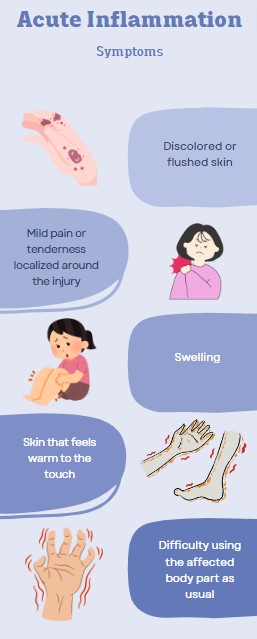
Acute inflammation is your immune system’s response to a sudden injury or illness.
Common symptoms include:
- Discolored or flushed skin
- Mild pain or tenderness localized around the injury
- Swelling
- Skin that feels warm to the touch
- Difficulty using the affected body part as usual.
Chronic Inflammation
Chronic inflammation occurs when the body continues to send inflammatory cells despite the absence of a threat.
This type of inflammation can manifest through symptoms such as:
- Abdominal pain
- Chest pain
- Fatigue, fever
- Joint pain or stiffness
- Mouth sores
- Skin rashes
- Mood disorders
- Gastrointestinal issues
- Unexplained weight changes
- Increased susceptibility to infections

Chronic inflammation is involved in the disease process of many conditions including:
- Autoimmune diseases
- Cardiovascular diseases, such as heart disease and high blood pressure
- Certain cancers
- Gastrointestinal diseases
- Lung diseases, such as asthma
- Mental health conditions, such as depression and anxiety
- Neurodegenerative diseases, such as Alzheimer’s disease and Parkinson’s disease
Causes
The causes of inflammation vary for acute and chronic cases. Acute inflammation is typically triggered by injuries and infections.
These cause chronic inflammation:
- Failure to eliminate the pathogen causes acute inflammation such as parasites, fungi, protozoa, Mycobacterium tuberculosis, or other pathogens that are resistant to the immune system and remain in the tissue for an extended period.
- Abnormal immune reactions to normal tissues.
- Exposure to toxins, such as air pollution, hazardous waste, or industrial chemicals.
- Obesity, low physical activity, chronic stress, poor diet, smoking, and excessive alcohol consumption.
Care and Treatment
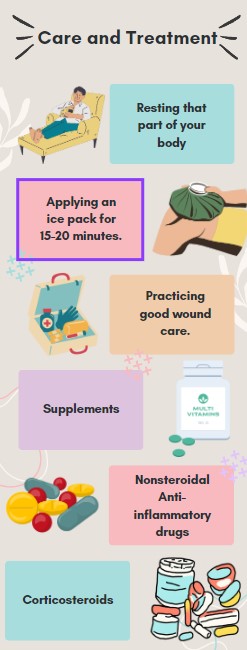
You can treat acute inflammation and relieve discomfort in a few days by:
- Resting that part of your body.
- Apply an ice pack to the affected area for 15-20 minutes.
- Practicing good wound care for any cuts, scrapes, or burns.
For chronic inflammation, your doctor may recommend:
- Supplements
- Nonsteroidal anti-inflammatory drugs
- Corticosteroids
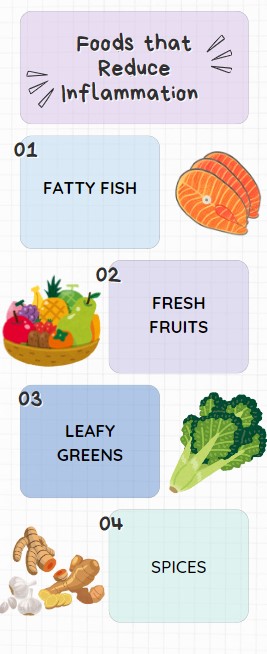
Foods that reduce inflammation:
- Fatty fish
- Fresh fruits and leafy greens
- Spices like turmeric, ginger, or garlic
References
https://my.clevelandclinic.org/health/symptoms/21660-inflammation
https://my.clevelandclinic.org/health/body/24585-cytokines
https://health.clevelandclinic.org/foods-that-can-cause-inflammation
https://my.clevelandclinic.org/health/body/22313-neutrophils
https://www.nih.gov/news-events/nih-research-matters/new-inflammatory-disease-discovered
https://aafa.org/allergies/allergy-facts/#:~:text=How%20Common%20Are%20Allergies%3F,%2C%20eczema%2C%20and%20food%20allergies.&text=Nearly%201%20in%203%20U.S.,%2C%20eczema%2C%20or%20food%20allergy.https://www.foodallergy.org/resources/facts-and-statistics#:~:text=How%20Many%20People%20Have%20Food,roughly%20two%20in%20every%20classroom
 Melinda's Blog
Leave a comment